1. Introduction
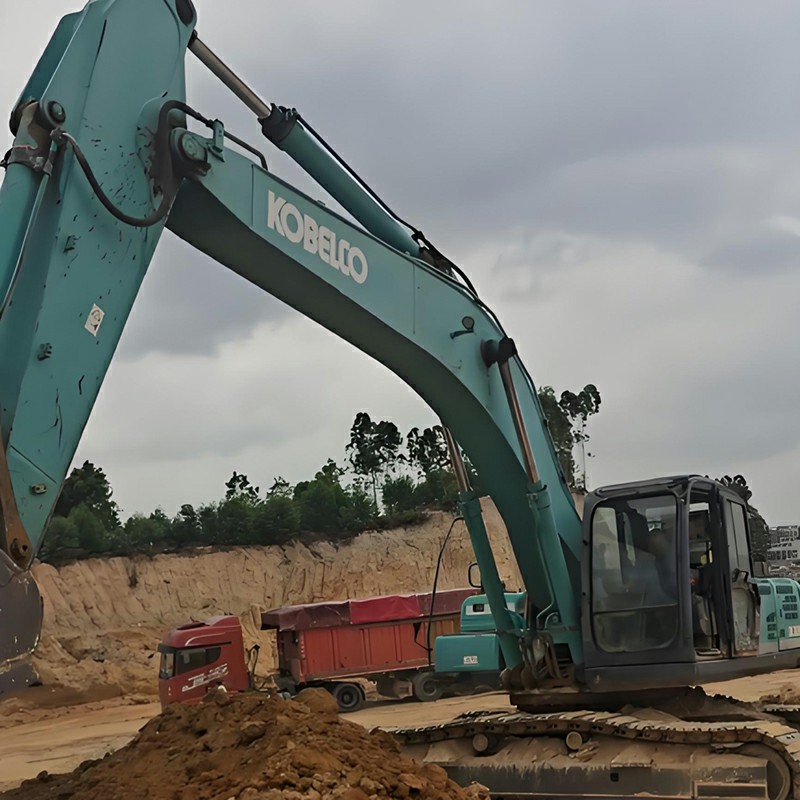
Whenever the Kobelco SK200-8 excavator performs any hydraulic operation, the corresponding low-pressure sensor triggers an alarm. Many service technicians are completely baffled by this symptom. In this comprehensive guide, we’ll provide a detailed breakdown of the specific troubleshooting steps, sensor locations, and the root cause of this issue.
2. Step 1: Checking Monitor Data
First, let's access the monitor data inside the cab. Switch to the engine speed page (specifically Page 2, second line) to check if there are any abnormal engine speed readings or signal fluctuations. If you notice irregular data values when operating hydraulic functions, you need to inspect the engine CPU main speed sensor located at the bottom of the engine block.
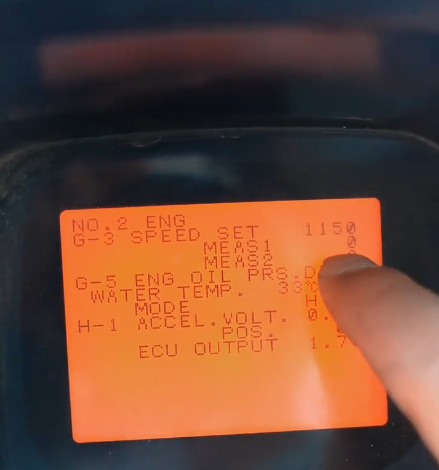
Check this data
3. Step 2: Locating and Accessing the Speed Sensor
The engine speed sensor is situated at the very bottom of the engine block. To access it, you must first remove the protective bottom steel plate underneath the excavator. Once removed, you will clearly see the sensor mounted near the lower section of the engine.
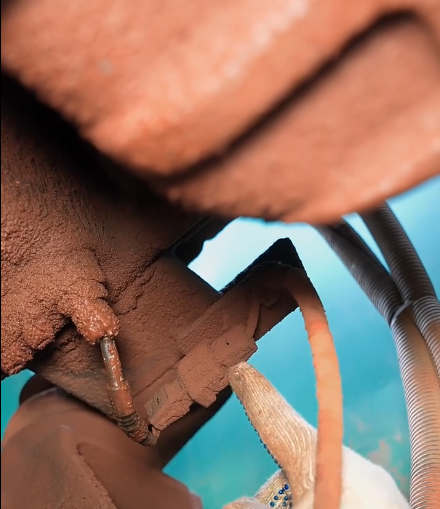
VH894101290A Speed Sensor
4. Step 3: Inspecting the Wiring Harness & Plug
Unplug the wiring connector to check for physical damage or wear. In many cases, the internal wire harness right at the junction of the connector shell suffers from friction and wear. Even though the wires are not yet completely severed (meaning it might not trigger a hard error code initially), the intermittent contact or signal distortion causes the computer board to misread speed signals during specific movements, resulting in random low-pressure alarms for every action you take.
5. Expert Analysis on New vs. Old Sensors
Looking at a brand new sensor connector with three wires, you can see where the wires pass into the plastic shell housing. This exact transition point is highly prone to friction and wear over time due to machine vibration. When the wires are partially worn but not fully broken, it fails to trigger a direct fault code, but corrupts the ECU speed signal feed—triggering false pressure alarms during actuation.
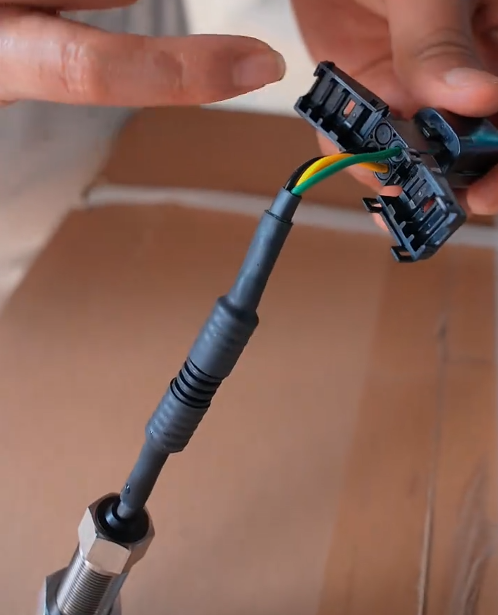
Check the sensor connector harness