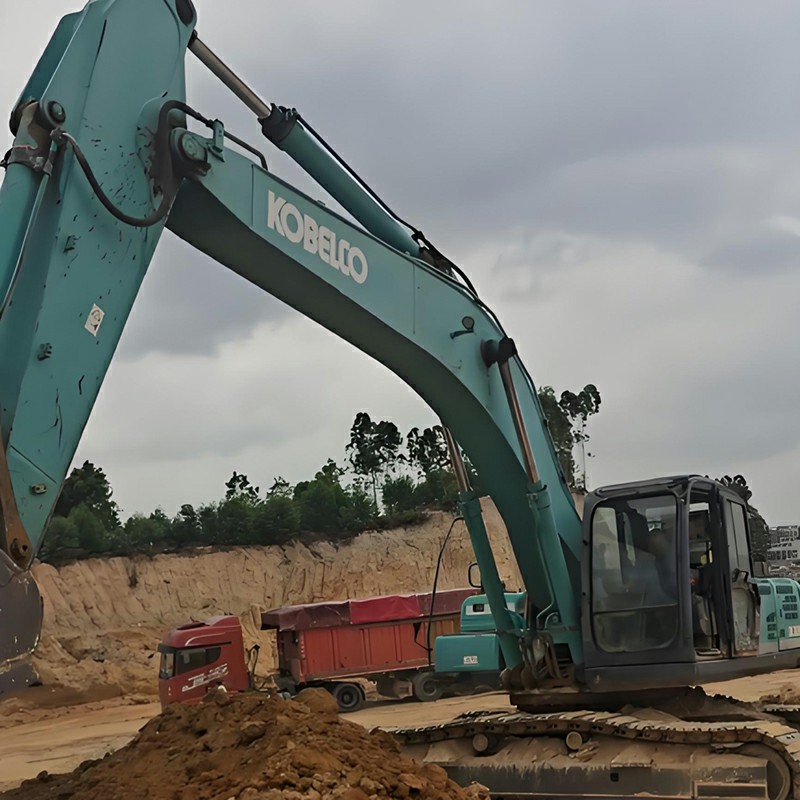
Kobelco 8-Series Excavator Throttle Problems: Causes & Troubleshooting Guide
Abnormal engine throttle response in Kobelco 8-series excavators greatly impacts operational efficiency and can even lead to engine stalling. Throttle issues generally manifest in three ways: locked high throttle, unresponsive throttle, and erratic speed fluctuations. This comprehensive bilingual guide details the root causes and step-by-step troubleshooting methods for each scenario.
1. High Throttle Lock (Stuck at High Throttle)
Common Fault Codes: P2123, P2128
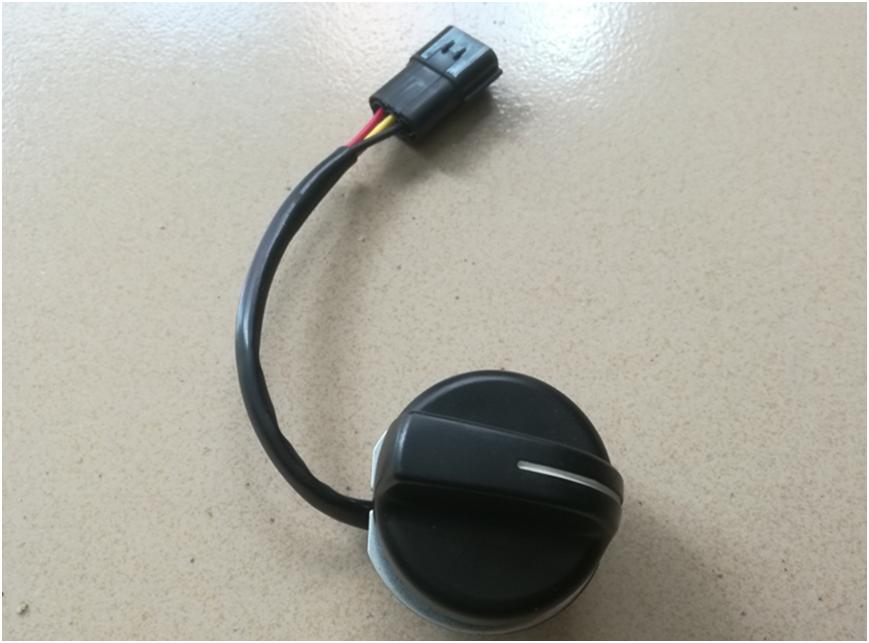
When encountering these alarm codes, inspect the throttle sensor wiring harness for defects or test whether the sensor itself is damaged.
Diagnostic Steps:
1. Check if the throttle potentiometer input voltage is within the normal range below 0.1V.
2. Verify if the resistance between the throttle potentiometer terminals falls within 1.6 - 2.4 kΩ.
3. Check the wiring harnesses (CN-136F and CN-106F) between the throttle potentiometer and the computer board
1. Check if the throttle potentiometer input voltage is within the normal range below 0.1V.
2. Verify if the resistance between the throttle potentiometer terminals falls within 1.6 - 2.4 kΩ.
3. Check the wiring harnesses (CN-136F and CN-106F) between the throttle potentiometer and the computer board
2. Immediate High Throttle on Start Without Fault Codes
If the excavator runs at high throttle immediately upon starting, and reducing the throttle knob fails to lower the engine speed, a low-pressure sensor may be malfunctioning. This tricks the ECU into falsely assuming the machine is actively operating. Furthermore, if lowering the throttle causes zero change in engine speed, the speed sensor should be inspected for anomalies.
3. Unresponsive Throttle (Cannot Increase Throttle)
Common Fault Codes: P2127, H013
- P2127: Engine throttle cannot be increased.
- H013: Verify whether financial lease payments are up to date and if the machine is locked.
- P2127: Engine throttle cannot be increased.
- H013: Verify whether financial lease payments are up to date and if the machine is locked.
Troubleshooting Steps:
1. First, check if the throttle knob connector and GPS-related connectors have good contact, and verify if the throttle knob resistance value is normal.
2. Inspect for GPS unit failures. Since electronic throttle signals route through the GPS computer board before reaching the CPU, a faulty GPS unit can prevent throttle acceleration. Disconnecting the GPS and plugging the throttle knob directly into the main harness can confirm this; replacing the GPS control board resolves the issue.
1. First, check if the throttle knob connector and GPS-related connectors have good contact, and verify if the throttle knob resistance value is normal.
2. Inspect for GPS unit failures. Since electronic throttle signals route through the GPS computer board before reaching the CPU, a faulty GPS unit can prevent throttle acceleration. Disconnecting the GPS and plugging the throttle knob directly into the main harness can confirm this; replacing the GPS control board resolves the issue.
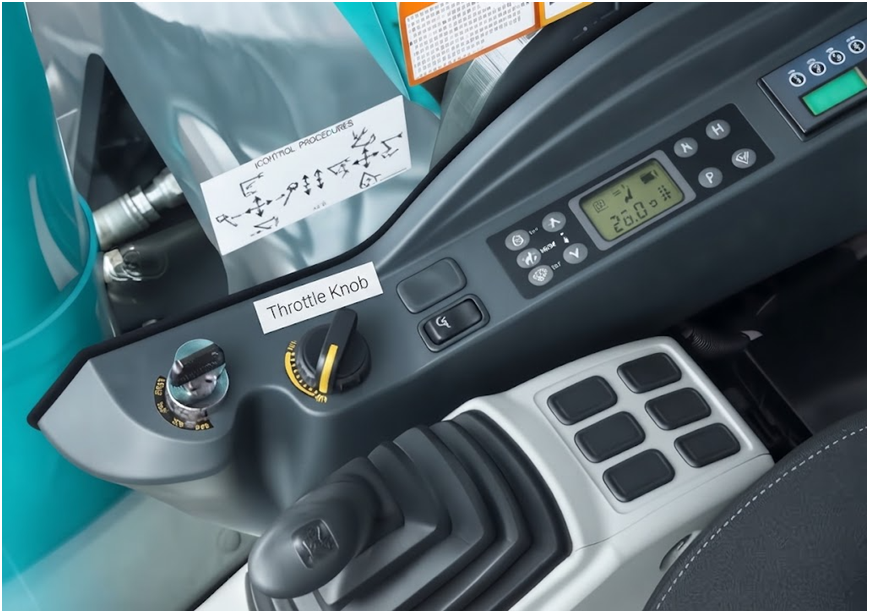 Figure 2: Cabin Control Panel and Throttle Knob Location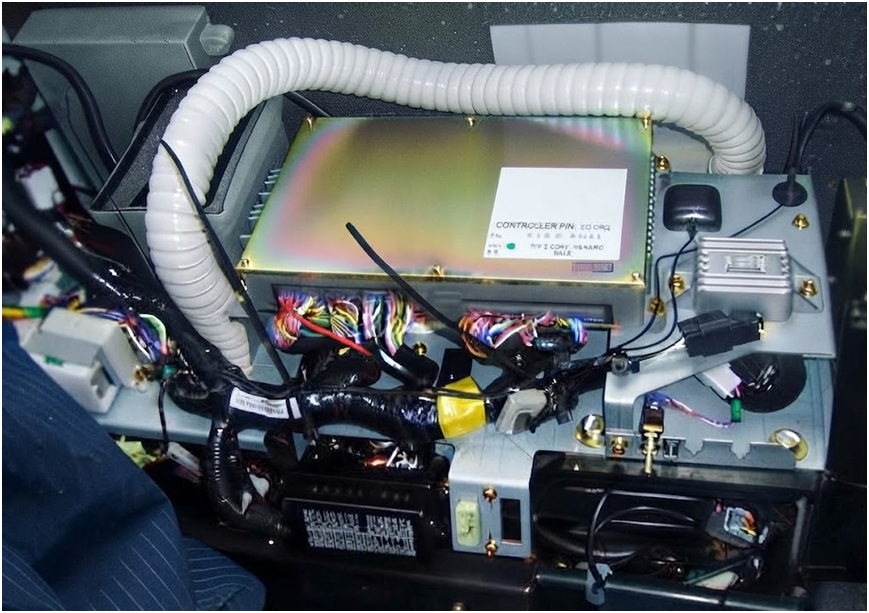
4. Unresponsive Throttle Without Alarm Codes
Step 1 (Hand Priming Pump Check): Manually pump fuel using the hand primer; if manual priming allows acceleration, the hand primer pump can be ruled out.
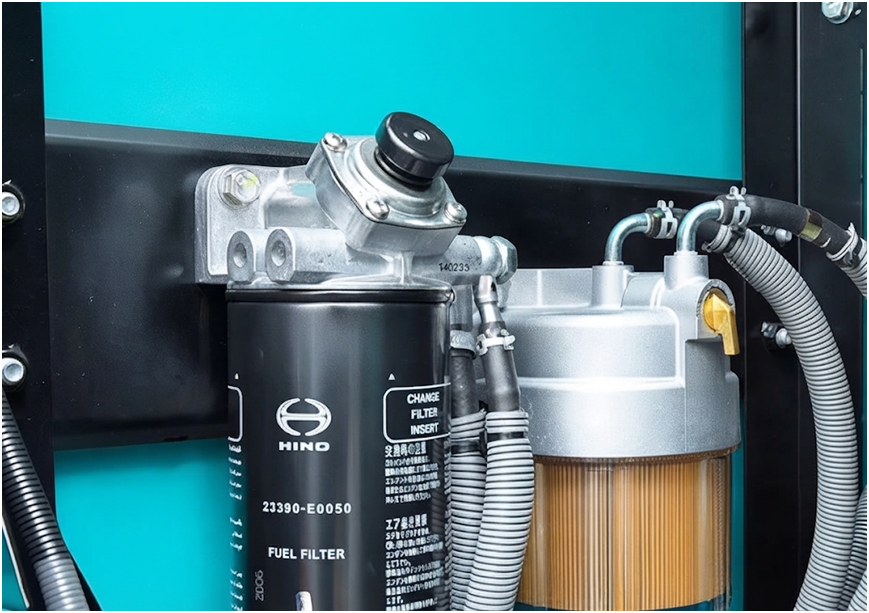
Step 2 (Fuel System & Common Rail Check): Inspect fuel lines and diesel filters for clogging, dirt, or restrictions. If no anomalies are found in the fuel circuit, inspect the high-pressure common rail system.
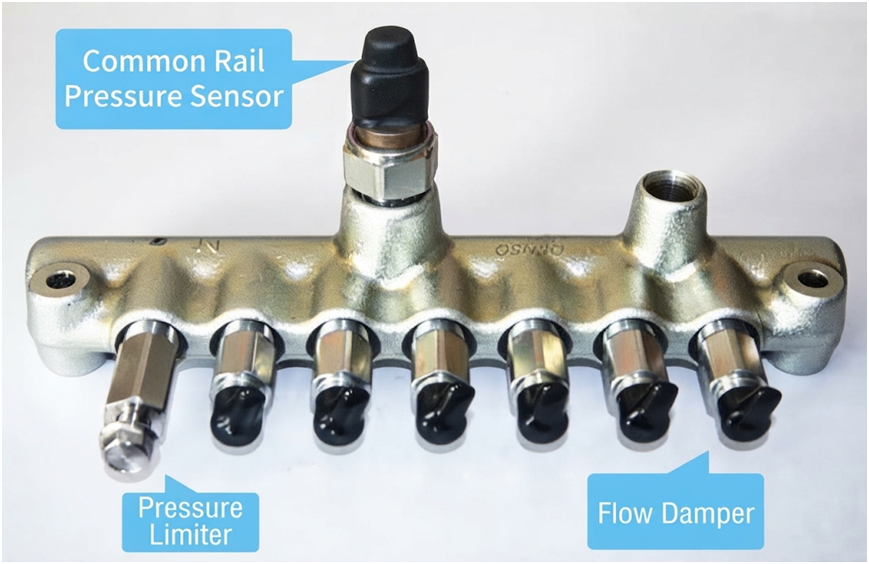
5. Model-Specific Check (SK75-8 Throttle Motor)
For Kobelco SK75-8 excavators, inspect whether the throttle motor wiring harness is disconnected or if the throttle motor itself is damaged.
6. Erratic Throttle Fluctuations (Surging Speed)
Unstable excavator idling is typically caused by excessively rich or lean air-fuel mixtures, incomplete combustion, or incorrect sensor signals.
Key Inspection Points:
1. Check vacuum lines for air leaks.
2. Check individual cylinder compression pressures; uneven cylinder pressure causes unstable idling.
3. Check fuel pressure stability, injector spray consistency, and injector damage (such as clogging or internal leakage).
4. Inspect the EGR valve. If the EGR valve fails to close tightly, exhaust gas enters cylinders during idle, causing low and unstable idle speed.
5. Check the boost pressure sensor. If failed, it fails to feed normal signals back to the ECU, preventing fuel injection correction and leading to rich/lean mixture idling issues.
6. Note for SK75-8: If governor/speed adjustment was performed without subsequent mechatronic calibration, this fault will also occur.
1. Check vacuum lines for air leaks.
2. Check individual cylinder compression pressures; uneven cylinder pressure causes unstable idling.
3. Check fuel pressure stability, injector spray consistency, and injector damage (such as clogging or internal leakage).
4. Inspect the EGR valve. If the EGR valve fails to close tightly, exhaust gas enters cylinders during idle, causing low and unstable idle speed.
5. Check the boost pressure sensor. If failed, it fails to feed normal signals back to the ECU, preventing fuel injection correction and leading to rich/lean mixture idling issues.
6. Note for SK75-8: If governor/speed adjustment was performed without subsequent mechatronic calibration, this fault will also occur.