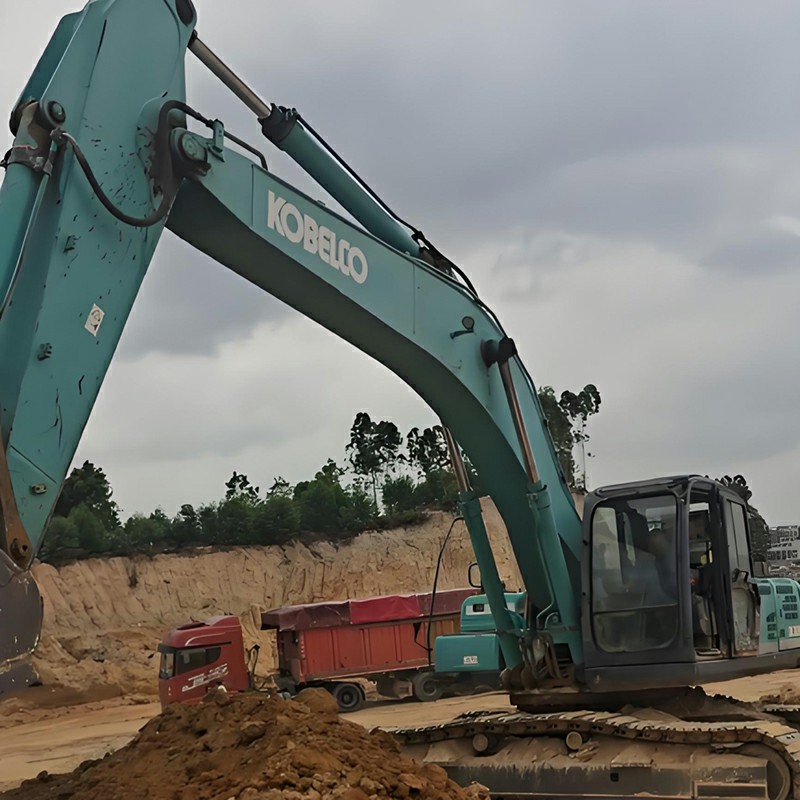
Kobelco Excavator Travel Weakness: Step-by-Step Troubleshooting Guide
Many operators frequently encounter situations where their Kobelco excavators exhibit weak travel performance. The causes can be complex, but with the right approach, the problem can be accurately pinpointed. The following is a comprehensive, step-by-step troubleshooting guide.
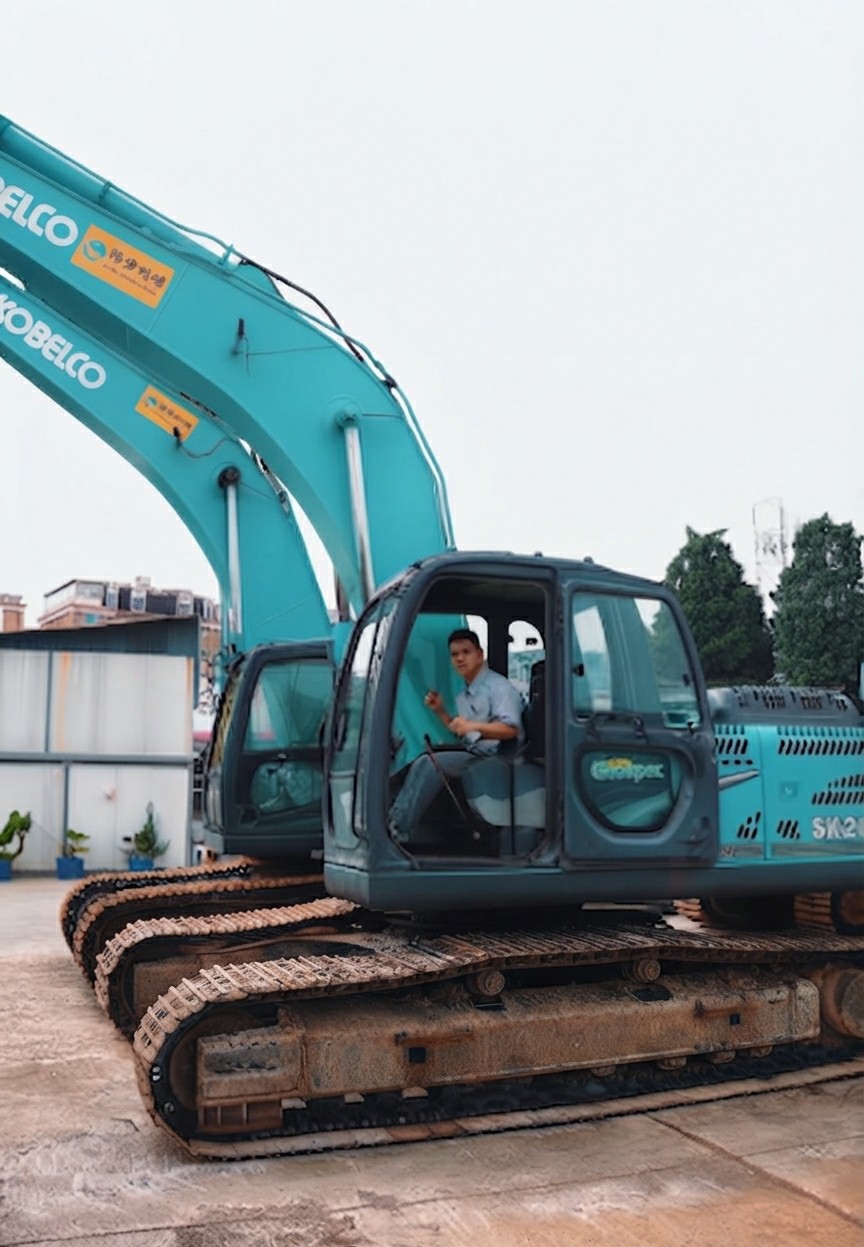
Step 1: Machine Testing & Straight Travel Solenoid Valve
Test combining upper body movements with travel. If the machine cannot perform both simultaneously, clean or replace the straight travel solenoid valve.
Step 2: Check Pilot Pressure on Monitor
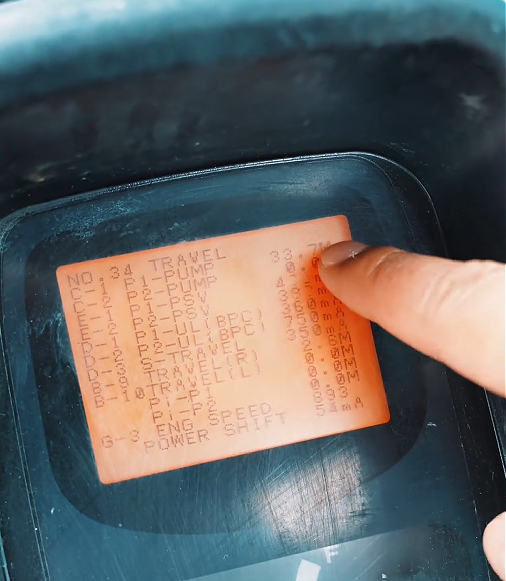
If combined movements work, check the travel pressure data. Enter "Service Diag 2" on page 34 to find pilot pressure values (B-9 and B-10). Push and pull the joysticks to test.
Original Valve: Normal pilot pressure is usually under 2.4.
Aftermarket Valve: Normal pilot pressure can reach up to 3.0.

Step 3: Test Main Pressure & Center Joint
If pilot pressure is normal, block the tracks against an obstacle and check the main pressure (C-1 and C-2). It should reach over 300. If it only reads 100-200+, inspect the center joint oil seal for leaks.
Step 4: Inspect Travel Motor for Internal Leakage
If main pressure is normal, listen to the travel motor. A hissing sound indicates the O-ring on the brake disc has failed, causing internal leakage and preventing the brake from releasing.
Step 5: Check Return Oil & Motor Wear
If there's no noise, open the cover plate, remove the return oil pipe, and check the oil flow during travel. Excessive return oil means you need to inspect the cylinder block and valve plate for wear.
Bonus Tip: Engine Speed Drop
If the engine speed drops severely during travel, it often means the pump flow is too high. Adjust or replace the regulator to solve this.