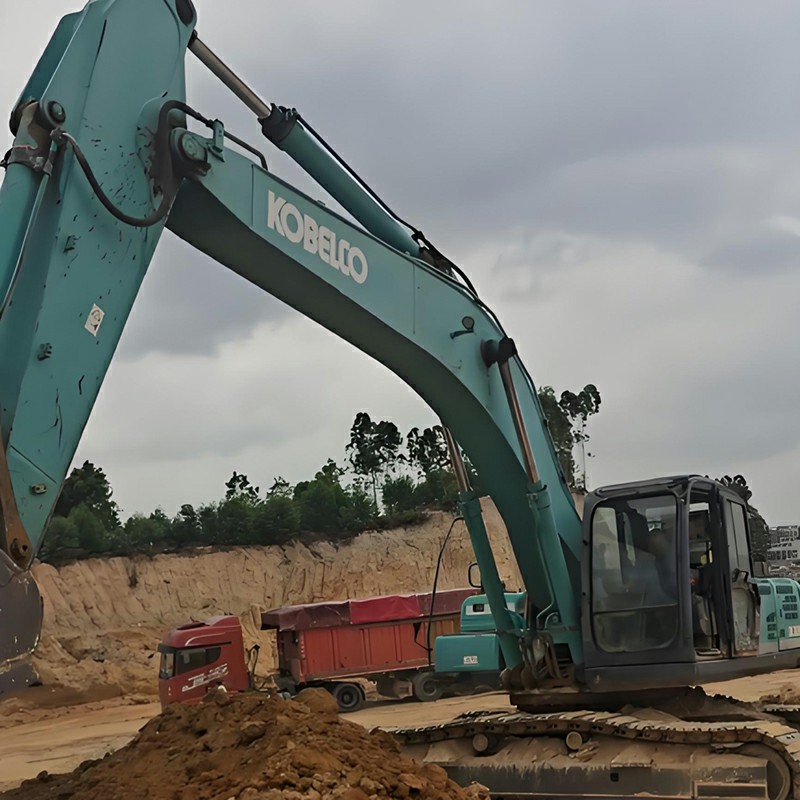
Kobelco 8-Series Excavator Full Machine No Movement: Top 3 Hidden Faults Guide
When a Kobelco Model 8 excavator experiences a “complete loss of movement” (total loss of all hydraulic functions), it often leads to a complete halt in construction work. This type of malfunction is typically caused by an electrical fault or a hydraulic system failure. This blog will guide you through a systematic troubleshooting process focusing on three major potential causes.
1. Electrical Circuit Faults
Safety Lock Switch: First, check whether the safety lock lever is fully lowered into the energized position and if an audible/visual prompt is triggered. If not, it may be due to poor switch contact caused by long-term wear and tear, or aged wiring harness.

Safety Lock Solenoid Valve: Inspect the safety lock solenoid valve wiring harness for issues, and check if the valve spool is jammed and prevented from energizing due to impurities or metal shavings. If damaged, replace it promptly [cite: 17]. This solenoid valve is located as the first valve in the solenoid valve bank behind the cab.
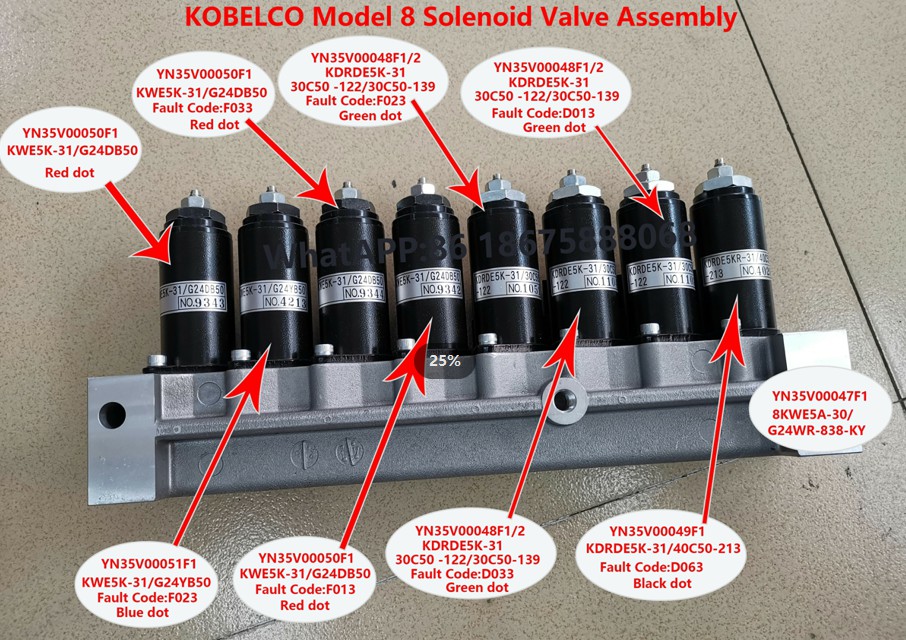
Figure 2: Kobelco Model 8 Excavator Solenoid Valve Assembly
Fuses: Check whether power is reaching the fuses inside the controller or fuse box.
2. Hydraulic Oil Circuit Faults
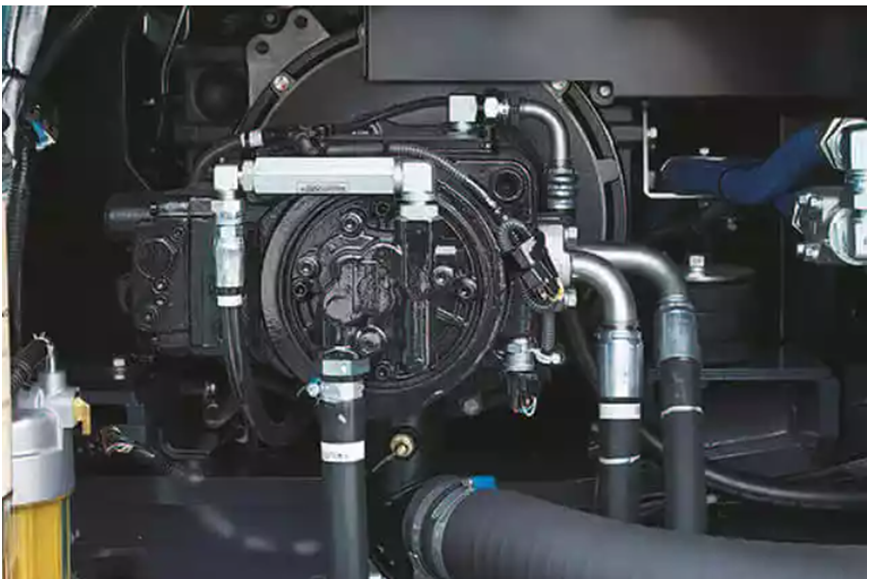
Hydraulic Oil Level: Check if the hydraulic oil level in the hydraulic tank is sufficient; top up if levels are low.
Pilot Pump: Check if the excavator's pilot pressure is normal. If abnormal, inspect whether the pilot filter is clogged or damaged, which leads to low pressure. Additionally, severe internal gear wear inside the pilot pump can cause internal leakage, failing to build working pressure.
Main Relief Valve: Test whether system pressure is normal. If pressure is abnormal, adjust individual relief valve pressures to see if there is any change, and finally check whether the main relief valve spool is jammed or damaged.
Hydraulic Pump & Regulator: A damaged pump regulator, internal pump damage, or excessive internal leakage will also cause full machine no movement.
Hydraulic Return Filter: If not replaced on schedule, internal clogging or iron debris accumulation in the filter element can cause restricted oil flow, preventing the hydraulic pump from working properly.
3. Mechanical Coupling Failure
Coupling Damage: Damage to the coupling connecting the engine and the hydraulic pump will cause the hydraulic pump to stop working entirely, resulting in complete loss of machine movement.