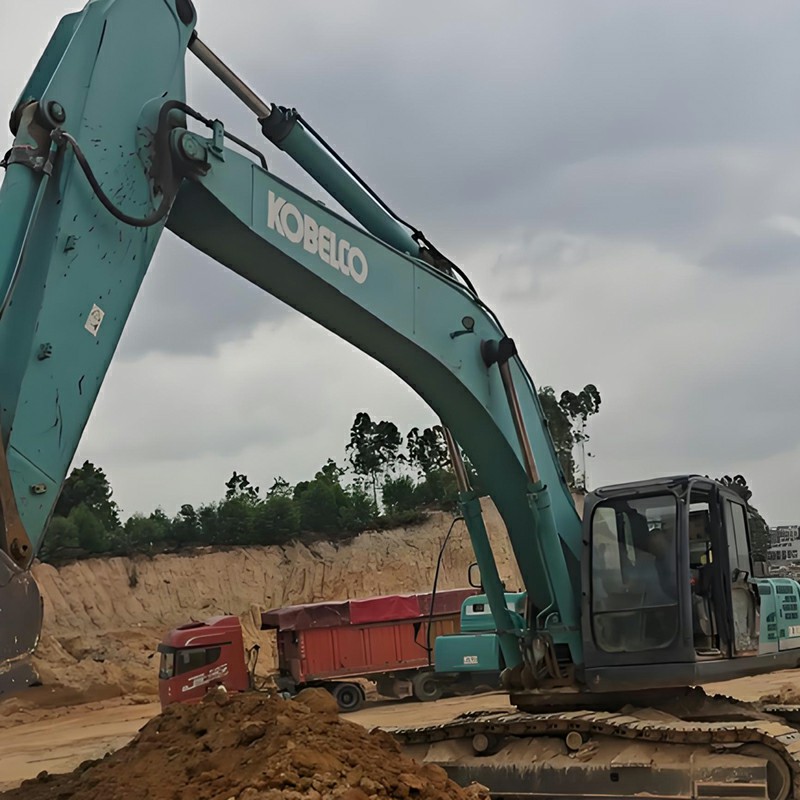
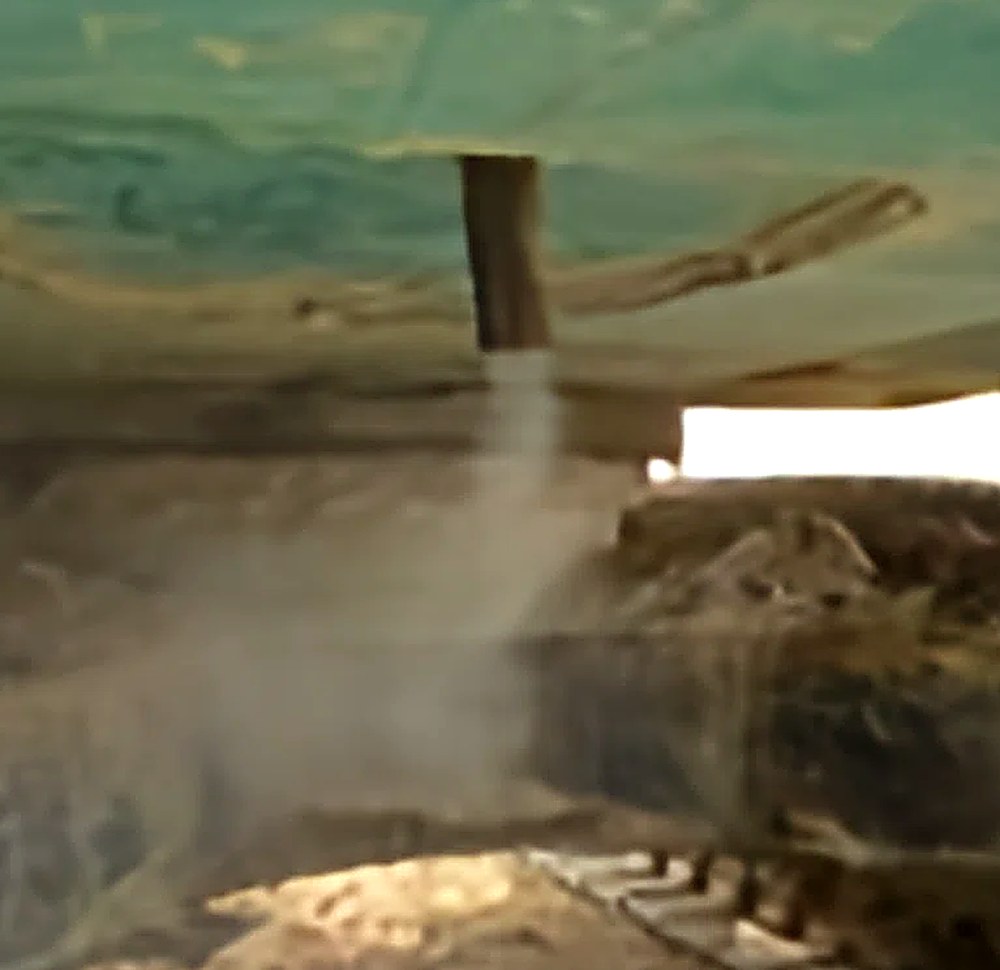
The complaint was smoke, but not from the exhaust. White smoke was coming out of the breather pipe, and oil was dripping out of it at five or six drops a minute. The machine still worked. The owner assumed the engine was worn out and kept running it while he priced a rebuild.
It turned out to be a loose injector clamp bolt.
First visit: the numbers pointed at cylinder two, weakly
The machine was an SK210-8 with the J05E engine. Read through the monitor, the cylinder injection quantities came back like this:
| Cylinder | Final injection quantity |
|---|---|
| 1, 3, 4 | -0.8 mm³/st |
| 2 | 3.5 mm³/st |
Cylinder two stood apart from the other three. The deviation was not huge — nothing like the numbers you see when an injector has failed outright — but it was the only cylinder that differed, so it was worth following.
The next step was the obvious one: cut cylinder two and listen.
Nothing changed. No drop in note, no extra roughness, no change in the smoke. On the strength of that, the diagnosis pointed away from cylinder two, and the machine was left running while other causes were considered.
That was the wrong conclusion, and the reason is worth remembering: the cut-out test tells you whether a cylinder is firing, not whether it is sealing.
Second visit: the seal had let go
Three days later the machine was inspected again, this time with the valve cover off. The picture was clear immediately:
The copper seal at the base of the cylinder two injector had been worn through, and oil was escaping from around it. The injector clamp bolt was loose, and the injector was rocking in its bore — it had been moving with every combustion cycle for long enough to wear the seal and mark the injector tip.
The parts were replaced, the clamp bolt was torqued to specification — 25 N·m on this engine — and the oil and filter were changed. The white smoke and the oil drip both stopped.
Why a loose injector puts oil out of the breather
The chain is not obvious, which is why this fault gets blamed on rings and head gaskets:
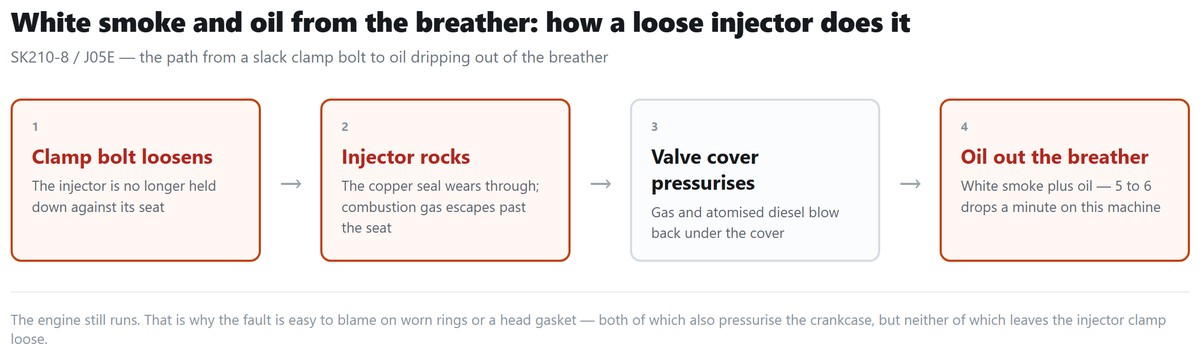
1. The clamp bolt loosens and the injector is no longer held down against its seat.
2. The injector rocks. The copper seal wears through and combustion gas starts escaping past the seat.
3. That gas — along with atomised diesel that never made it into the combustion chamber — blows back under the valve cover.
4. The valve cover is part of the crankcase breathing path. With gas being forced into it, the breather has to pass far more than it was designed for, and it carries oil mist with it. Oil runs out of the breather, and the mixture of oil mist and unburnt fuel reads as white smoke.
Why the cut-out test missed it
This is the part of the case worth taking to the next machine.
Cutting a cylinder tells you whether that cylinder is contributing power. A loose injector still sprays fuel, the fuel still ignites, and the cylinder still contributes — so the engine note barely changes when you cut it. The test answers a question you did not ask.
What was actually wrong was the sealing between the injector and the head, and no electrical or combustion test looks at that. Only the physical inspection did.
The injection quantity reading was the better clue, and it was nearly dismissed because the deviation looked small. A single cylinder out of line with the other three is worth a physical look even when the number is unremarkable.
What this case teaches
White smoke from the breather is crankcase pressure, not exhaust smoke. Those are two different problems with two different lists of causes. Breathing white smoke plus oil means gas is getting into the crankcase — find where it enters.
A loose injector is one of the entry points. Rings and head gaskets are the usual suspects, but an injector that has been out and refitted, or one whose clamp was never torqued, produces the same symptom from a much cheaper place.
Check the clamp whenever an injector is out. The specified torque on this engine is 25 N·m. An injector that is not clamped down will wear its seal, then its tip, then the seat in the head — the repair gets more expensive at each stage.
One odd cylinder is a lead, not a conclusion. The cut-out test and the quantity reading disagree sometimes. When they do, the physical inspection decides.
Parts involved
The repair needed the cylinder two injector and its seal, plus an oil and filter change because the oil had been carrying diesel and combustion gas:
J05E fuel injector, VH23670E0050 · engine oil filter, VHS156072190 · oil seals and gaskets
If your machine is smoking from the exhaust rather than the breather, the causes are different — start with black smoke and misfire on 10 series machines instead.
Note
The case above is one SK210-8 with the J05E engine. Injector clamp torque and seal part numbers differ between engine variants — confirm them in the workshop manual for your machine before refitting an injector.