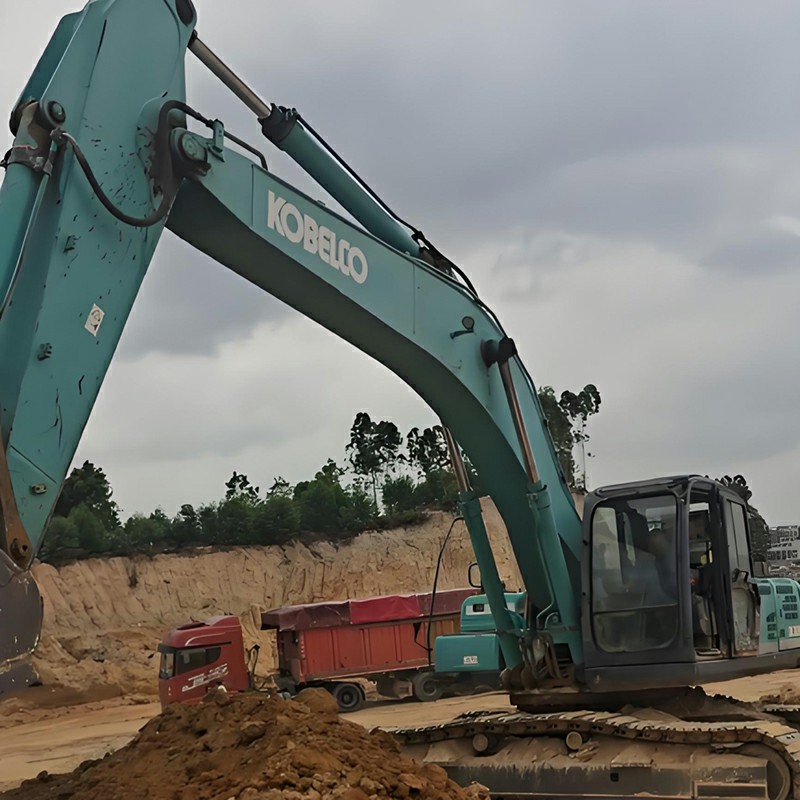
Kobelco 8-Series Excavator Low Engine Oil Pressure Troubleshooting Guide
Introduction: Low engine oil pressure is a frequent fault during the daily operation of Kobelco 8-series excavators. Engine oil acts as the "blood" of the engine; insufficient pressure leads to poor lubrication of the crankshaft, connecting rods, turbocharger, and valve train. This can quickly cause severe engine damage such as bearing seizure and turbo burnout, resulting in exorbitant repair costs. If an oil pressure alarm triggers, stop the machine immediately rather than pushing forward.
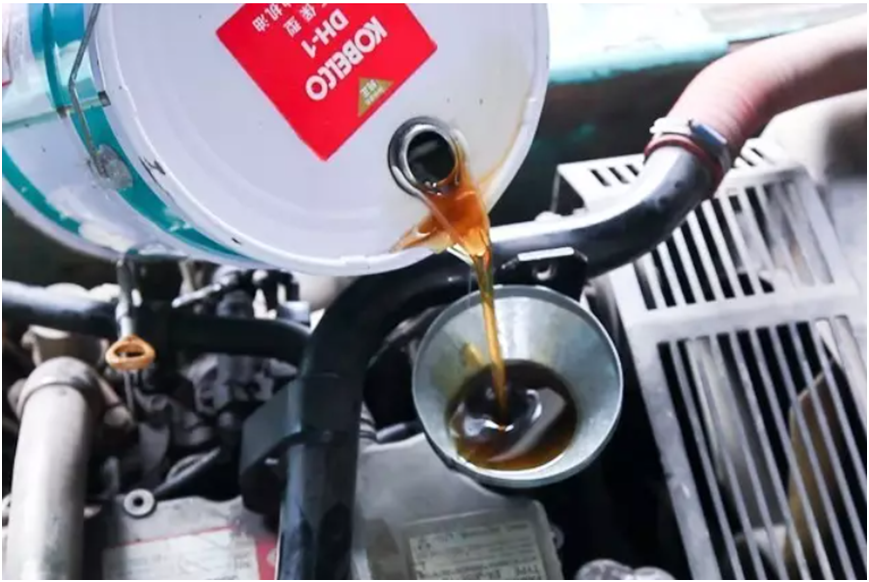
Step 1: Check Engine Oil Level (Simple & Easily Overlooked)
Many technicians rush into dismantling parts while skipping the most basic oil level check. Pull out the dipstick to check the oil level; if it falls below the standard mark, inadequate oil supply will directly trigger low oil pressure warnings.
Solution: Top up with the specified grade of oil to the standard mark, then test the machine to see if the fault clears.
Solution: Top up with the specified grade of oil to the standard mark, then test the machine to see if the fault clears.
Step 2: Inspect Oil Pressure Sensor & Wiring (Real vs. False Alarm)
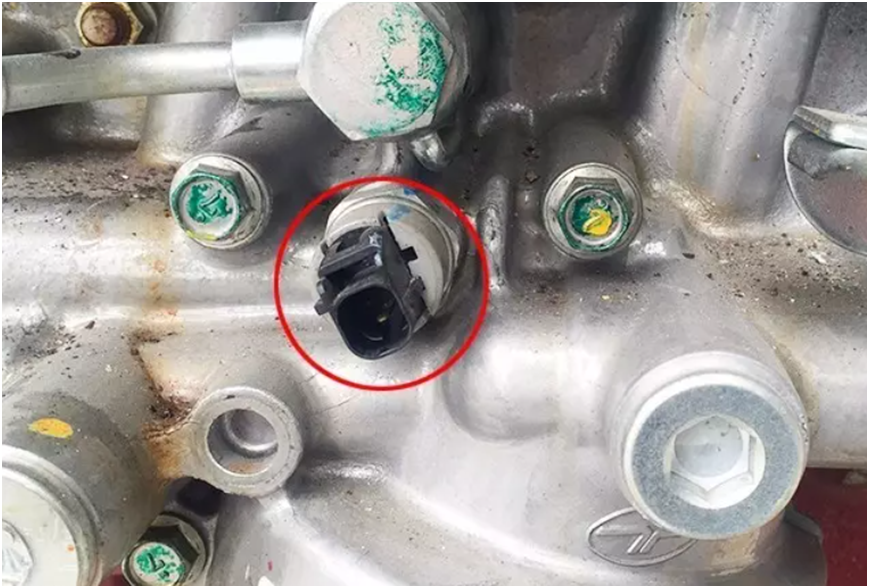
An instrument panel warning for low oil pressure does not necessarily mean actual low pressure; it could be a sensor or wiring malfunction.
* Check the oil pressure sensor plug for looseness, pushed-back pins, water ingress, or oxidation.
* Check the wiring harness for abrasion or breaks, and confirm power supply and continuity.
* If wiring is normal, the sensor itself is likely damaged; replace it with a new one and retest.
* Check the oil pressure sensor plug for looseness, pushed-back pins, water ingress, or oxidation.
* Check the wiring harness for abrasion or breaks, and confirm power supply and continuity.
* If wiring is normal, the sensor itself is likely damaged; replace it with a new one and retest.
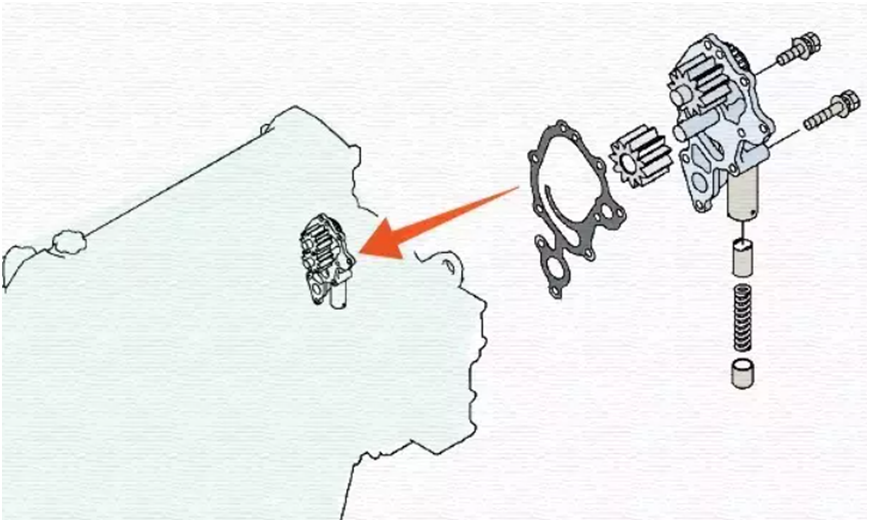
Step 3: Inspect the Oil Pump (The Common Culprit)
The oil pump is the heart of the engine lubrication system, responsible for generating oil pressure and delivering lubricant to friction components. If the oil pump fails, oil pressure drops sharply and requires immediate repair or replacement.
5 Common Oil Pump Failure Modes:
1. Air Suction: Air enters the oil pump intake line, significantly reducing lubrication efficiency. Typical sign: noticeable abnormal noise near the rocker arms.
2. Component Damage: Usually caused by uneven assembly, leading to abnormal stress and damage to internal parts.
3. Debris Jamming: Bearing fragments, sprocket pieces, or metal debris bypass the suction screen and jam gears/impellers, sometimes twisting or breaking the center shaft.
4. Relief Valve Jamming: Impurities jam the relief valve, causing low or zero oil pressure. If stuck closed, excessively high pressure can directly damage the oil filter.
5. Gear Wear & Scoring: Hard debris enters the pump chamber and scores gear surfaces, increasing gear clearance, reducing pumping capacity, and causing continuous oil pressure decay.
1. Air Suction: Air enters the oil pump intake line, significantly reducing lubrication efficiency. Typical sign: noticeable abnormal noise near the rocker arms.
2. Component Damage: Usually caused by uneven assembly, leading to abnormal stress and damage to internal parts.
3. Debris Jamming: Bearing fragments, sprocket pieces, or metal debris bypass the suction screen and jam gears/impellers, sometimes twisting or breaking the center shaft.
4. Relief Valve Jamming: Impurities jam the relief valve, causing low or zero oil pressure. If stuck closed, excessively high pressure can directly damage the oil filter.
5. Gear Wear & Scoring: Hard debris enters the pump chamber and scores gear surfaces, increasing gear clearance, reducing pumping capacity, and causing continuous oil pressure decay.