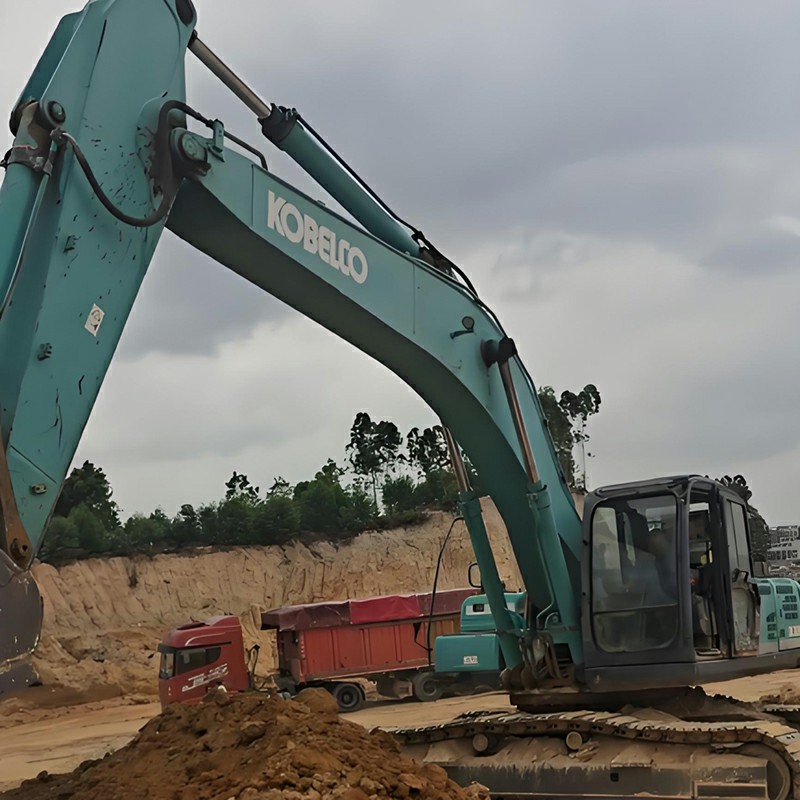
How to Fix Kobelco Excavator Engine Overheating: 8-Step Troubleshooting Guide
Engine overheating (commonly known as "high water temperature") is one of the most destructive issues an excavator can face. Ignoring a rising temperature gauge can quickly lead to blown head gaskets, cracked cylinder heads, or even complete engine seizure (cylinder scoring).
When your machine starts running hot, do not blindly tear down the engine first. Instead, follow this strict, cost-effective 8-step workflow used by master mechanics to isolate the root cause from the outside in.
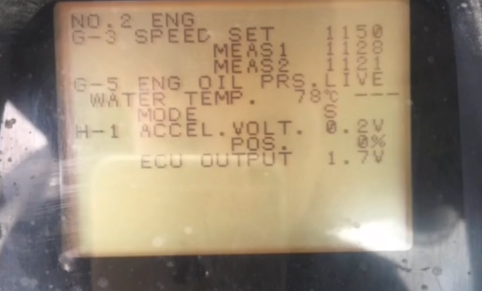
Image 1: Kobelco Excavator dashboard warning light or temperature gauge
The 8-Step Diagnostic Loop: From Outside to Inside
Step 1: Check the Anti-Freeze / Coolant Level
Always start with the basics. Check the coolant level in the expansion tank and the radiator. If the coolant is insufficient, air pockets will form, severely disrupting heat transfer.
Step 2: Inspect the Radiator and Coolant Quality
Open the radiator cap (only when the engine is completely cold!) and look inside. If the coolant is muddy, rusty, or filled with scale deposit, the internal cooling channels are likely restricted. Clean or flush the system and refill with premium coolant.
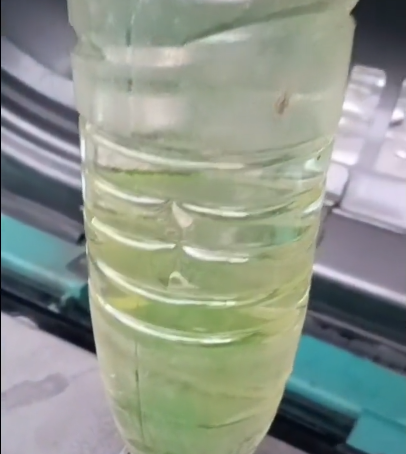
Image 2: Mechanic checking the coolant color inside an excavator radiator cap
Step 3: Inspect the Radiator Fins for Blockages
Excavators work in dusty, muddy environments. Check the exterior core of the hydraulic oil cooler, intercooler, and water radiator. Mud, leaves, and dust frequently clog the fins, blocking airflow. Use compressed air or a pressure washer carefully to blow it clean from the inside out.
Step 4: Check Fan Belt Tension and Condition
If the engine fan belt is loose, cracked, or severely worn, it will slip under load. A slipping belt fails to spin the cooling fan at the required RPM, causing immediate overheating. Adjust the tension or replace the belt.
Step 5: Test the Thermostat Functionality
The thermostat regulates the flow of coolant between the engine block (small circulation) and the radiator (large circulation). Remove the thermostat and test it in boiling water. If it fails to open completely at its rated temperature, replace it immediately.
Step 6: Verify Water Pump Efficiency
A worn-out water pump with damaged or corroded impellers will lose its pumping capacity. Touch the upper and lower radiator hoses when the engine is warm; a massive temperature difference indicates that coolant isn't circulating properly due to a failed pump or blockage.
Step 7: Check the Radiator Cap Valve
The radiator cap is not just a lid; it maintains pressure in the cooling system to raise the boiling point of the coolant. If the cap's spring or sealing gasket is broken, the system will boil prematurely and lose pressure, resulting in rapid overheating.
Step 8: Diagnose Internal Engine Failures (The Last Resort)
If steps 1 to 7 are completely normal, the problem lies within the engine block itself. A blown head gasket allows combustion gases to blow directly into the cooling jacket, pushing the coolant out and causing massive overheating. Inspect