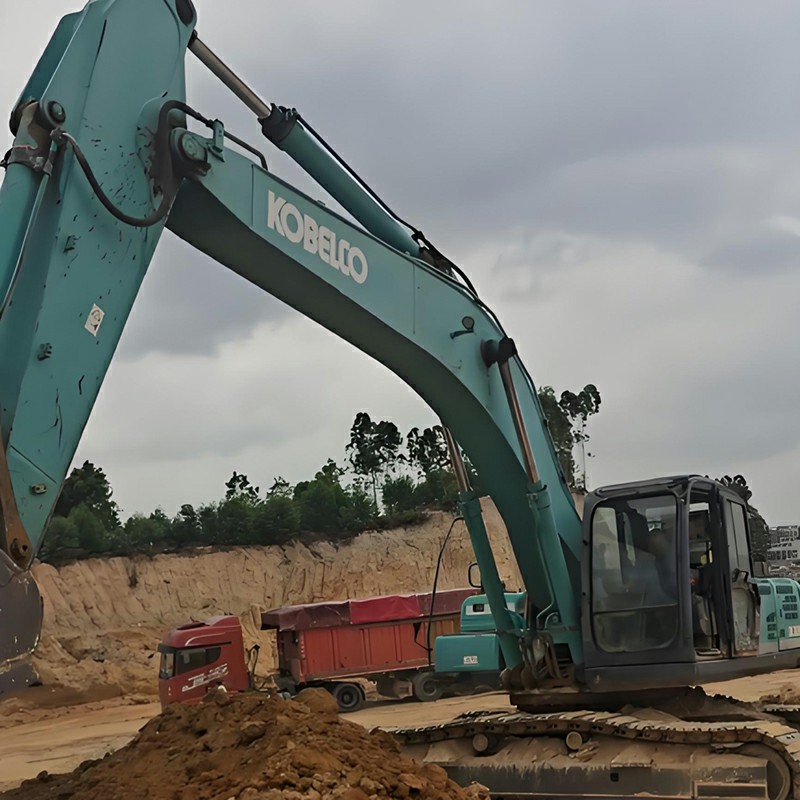
Excavator Turbocharger Oil Leak: Complete Causes & Troubleshooting Guide
Introduction: Finding engine oil on the turbocharger lines of an excavator can be cause for concern. Why does an excavator’s turbocharger leak oil? In this blog post, we’ll take an in-depth look at the root causes and walk you through a step-by-step troubleshooting process to completely resolve turbocharger oil leaks.
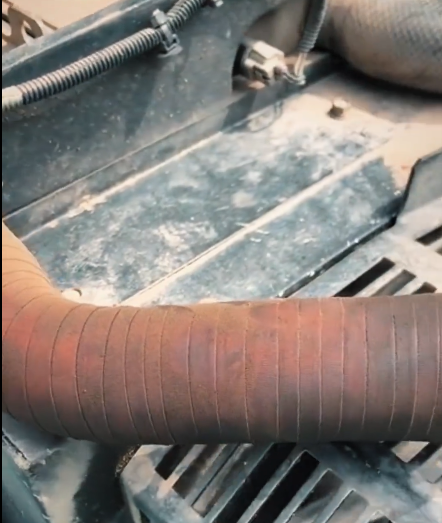
Figure 1: Turbocharger pipes covered in engine oil
Main Reasons for Turbocharger Oil Leaks
Air or Exhaust Leaks: Leaks in the intake or exhaust system cause the turbocharger to spin unbalanced, creating pressure drops that result in oil leakage.
Internal Turbocharger Wear: Natural wear and tear of the internal components and shaft of the turbocharger itself.
Step-by-Step Troubleshooting
Step 1: Check for Intake and Exhaust Leaks
Before buying a new turbo, you must thoroughly check for air and exhaust leaks. If leaks are present, replacing the turbo alone will cause it to fail again quickly.
Intake System: Check all soft pipes and iron pipes coming out of the turbocharger, the intercooler, and the engine intake pipes/manifolds for cracks.
Exhaust System: Inspect exhaust connections, EGR interfaces, and turbo exhaust ports. Pay special attention to the exhaust manifold bolts connected to the cylinder head (on excavators like Kobelco, cylinders 1 and 4 bolts are prone to snapping, leading to gasket leaks, weak exhaust pressure, and oil leakage).
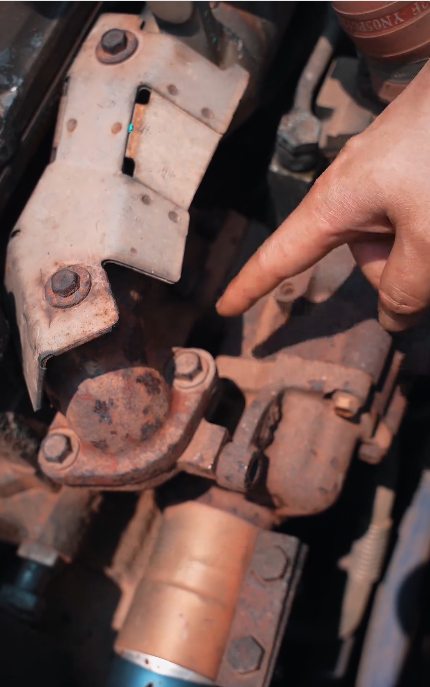
Figure 2: Inspecting exhaust manifold bolts and gaskets
Step 2: Inspect the Turbocharger Shaft
If the intake and exhaust lines are completely sealed without any leaks, proceed to inspect the turbocharger itself:
Remove the turbocharger's intake pipe.
Manually shake the central shaft back and forth, up and down.
Excessive radial or axial play indicates that the turbocharger shaft and internal seals are worn out, requiring replacement.